

Is Wollongong a Good Place to Invest in 2026?
Is Wollongong a Good Place to Invest in 2026?
Illawarra Property Insights
For investors assessing Wollongong property investment in 2026, understanding suburb level dynamics is critical. These insights reflect on-the-ground experience working with buyers across Wollongong and the Illawarra.
Summary for property investors considering Wollongong in 2026
Wollongong is a stable regional property market with strong lifestyle appeal and a diversified local economy.
Buyer demand in 2026 is driven by population growth, Sydney migration and owner-occupier demand rather than short-term speculation.
Infrastructure investment across healthcare, education and transport continues to support long-term housing demand.
Rental demand remains strong in well-located suburbs close to employment, transport and lifestyle amenities.
Capital growth in Wollongong is typically steadier and less volatile than Sydney, appealing to long-term investors.
Northern coastal and established inner suburbs continue to outperform due to scarcity and buyer competition.
Rezoning and urban renewal near the CBD and transport corridors may influence future growth, but outcomes vary by location.
Successful investors focus on suburb fundamentals, supply dynamics and long-term liveability rather than chasing yield.
Wollongong has quietly shifted from a regional alternative into one of New South Wales’ most compelling property investment locations. With lifestyle appeal, infrastructure investment and long term population growth, many buyers are now asking the same question. Is Wollongong a good place to invest in 2026?
The short answer is yes, for the right investor with the right strategy. But as with any market, the real opportunity sits in understanding the drivers, the risks and the suburbs that are positioned to outperform.
This guide breaks down the Wollongong property market in 2026, including growth drivers, rental demand, suburb performance and what investors should consider before buying.

Wollongong Property Market Overview
Wollongong sits just south of Sydney and has long benefited from its coastal lifestyle, strong education sector and employment base. Over the past decade, the city has transitioned from a steel town into a diversified regional hub with healthcare, education, technology and professional services playing a growing role.
As of 2026, Wollongong continues to attract buyers priced out of Sydney while retaining its own independent economy. This combination is important. Markets that rely solely on overflow demand can be volatile. Wollongong’s strength lies in both migration and local employment.

Population Growth and Migration Trends
One of the strongest indicators of long term property performance is population growth. Wollongong and the broader Illawarra region continue to benefit from steady internal migration, particularly from Sydney.
Key drivers include improved transport links, flexible working arrangements and lifestyle preferences. Buyers are no longer willing to compromise on space, access to nature and community. Wollongong offers all three.
Importantly, this migration is not limited to retirees. Young families, professionals and investors are increasingly active in the market. This diversity supports demand across multiple housing types, including houses, townhouses and well located apartments.
Population growth supports both capital growth and rental demand, making Wollongong a strong candidate for long term investment strategies.

Infrastructure and Economic Investment
Infrastructure investment plays a critical role in property performance. Wollongong continues to see significant public and private investment across transport, healthcare and education.
Projects such as road upgrades, hospital expansion and university development strengthen employment opportunities and improve liveability. These investments tend to support surrounding suburbs and create ripple effects across the housing market.
The University of Wollongong remains a key economic anchor, supporting both employment and rental demand. Health services are another major employer, contributing to stable income profiles across the region.
For investors, infrastructure is not just about convenience. It is about confidence. Confidence attracts residents, businesses and long term capital.

Up and Coming Developments and Rezoning in Wollongong and The Illawarra
Beyond current market conditions, future planning decisions play a significant role in shaping long term property performance. In Wollongong and the Illawarra, a combination of rezoning, urban renewal and infrastructure aligned development is quietly influencing where future growth may occur.
Local councils across the region continue to prioritise infill development, improved housing diversity and better use of land near transport, employment hubs and lifestyle precincts. This approach supports population growth while aiming to preserve the character of established residential suburbs.
Areas close to Wollongong CBD, transport corridors and major employment nodes have seen increased planning activity, particularly where medium density housing and mixed use zoning can be supported. While not every rezoning translates directly into price growth, changes that improve amenity, accessibility or land use efficiency often have a positive long term impact on surrounding property values.
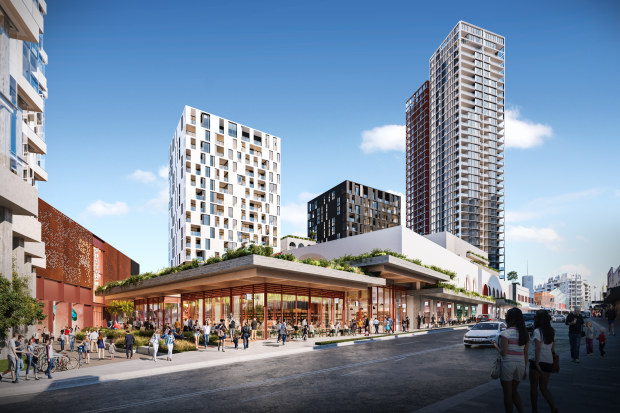
Wollongong CBD and Inner-City Renewal
Wollongong’s CBD continues to evolve through a mix of residential, commercial and lifestyle focused development. Planning strategies have encouraged higher density living close to transport, retail and employment, supporting a more vibrant city centre.
For investors, CBD renewal can create both opportunity and risk. Improved amenity and infrastructure often lift demand, but increased apartment supply can place pressure on certain segments of the market. Understanding which developments enhance liveability versus those that simply increase stock is critical.
Well located properties on the fringe of the CBD, particularly those offering walkability without oversupply risk, may benefit from long term uplift as the city centre continues to mature.
Transport Corridors and Strategic Rezoning
Rezoning activity in parts of the Illawarra has increasingly focused on areas with strong transport connectivity. Suburbs along key rail and road corridors are often prioritised for medium density housing to support sustainable growth.
From an investment perspective, rezoning near transport can improve accessibility and broaden buyer appeal. However, it can also introduce supply risk if development is not carefully managed. Investors should assess council planning controls, height limits and development approvals when considering properties in rezoned areas.
Properties that retain scarcity while benefiting from improved connectivity tend to perform best over time.
Emerging Growth Precincts and Master-Planned Communities
Master-planned communities in areas such as Shellharbour and surrounding growth precincts continue to attract families seeking newer housing stock, schools and community infrastructure. These developments are typically supported by long term planning frameworks, which can provide confidence for buyers.
However, investors should approach new estates with a long term view. While they often offer strong rental demand, capital growth may be slower in the early years due to ongoing land release and housing supply.
Understanding where a precinct sits within its development lifecycle is essential when assessing investment suitability.
How Rezoning Impacts Investment Decisions
Rezoning alone does not guarantee capital growth. The most successful investors look beyond zoning headlines and focus on how changes affect demand, amenity and scarcity.
Positive rezoning outcomes often include improved infrastructure, better access to services and enhanced neighbourhood appeal. Less favourable outcomes may involve congestion, oversupply or loss of character.
Local insight is invaluable when interpreting planning changes. What looks attractive on paper does not always translate into strong buyer demand on the ground.
A Strategic Approach to Future Growth
For investors considering Wollongong in 2026, understanding future development and rezoning provides an additional layer of insight. When combined with suburb fundamentals, rental demand and lifestyle appeal, it helps build a more complete investment picture.
Rather than chasing speculation, the most resilient strategies focus on areas where planning decisions align with long term liveability and sustained demand.

Rental Demand and Yield Outlook
Rental demand across Wollongong remains strong in 2026. Vacancy rates have remained tight, particularly in well located suburbs close to employment hubs, transport and lifestyle amenities.
Investors benefit from a broad tenant pool including professionals, healthcare workers, students and families. This diversity reduces reliance on any single demographic and supports consistent rental income.
While yields vary by suburb and property type, Wollongong continues to offer more attractive yields than many Sydney suburbs at a lower entry price. This combination appeals to investors seeking both cash flow stability and capital growth potential.
As always, yield should not be considered in isolation. The strongest investment outcomes come from balancing rental return with location quality and long term growth drivers.

Capital Growth Potential in Wollongong
Capital growth in Wollongong has historically followed a steadier trajectory than Sydney. While this means fewer dramatic spikes, it also means lower volatility.
In 2026, this stability is appealing to investors who value predictability and downside protection. Wollongong’s proximity to Sydney provides ongoing support, while its independent economy reduces exposure to Sydney-specific market corrections.
Suburbs with strong lifestyle appeal, limited supply and access to amenities continue to outperform. Coastal and escarpment suburbs, in particular, show resilience during market slowdowns.
Capital growth is rarely uniform across a city. The key is selecting suburbs with multiple demand drivers rather than relying on general market movement.

Best Suburbs in Wollongong for Investment
Not all Wollongong suburbs perform equally. In 2026, buyer demand remains strongest in suburbs that combine lifestyle, accessibility and limited housing supply.
Northern suburbs such as Thirroul, Bulli, Woonona and Austinmer continue to attract owner occupiers and long term renters. These areas benefit from beach access, village atmospheres and train connectivity.
Inner suburbs like Gwynneville, Keiraville and Figtree appeal to families and professionals due to proximity to the CBD, schools and the university.
Emerging growth suburbs, including parts of Shellharbour and Calderwood, offer opportunities for investors seeking newer housing stock and family demand, though careful assessment of supply is essential.

Risks and Considerations for Investors
No market is without risk. Investors considering Wollongong should be mindful of several factors.
Supply dynamics are critical. Some pockets of the Illawarra have seen increased apartment development, which can place pressure on prices and rents if demand does not keep pace.
Property selection also matters. Investors should avoid compromising on location quality for short term yield. Properties that appeal only to investors often underperform over time.
Interest rate movements, lending conditions and broader economic trends will continue to influence buyer behaviour. A conservative approach with strong fundamentals helps mitigate these risks.
Engaging local expertise is particularly valuable in regional markets where suburb-level differences can be significant. A value-add property walkthrough can help identify renovation potential, layout improvements and risks before purchase.
Who Should Invest in Wollongong
Wollongong is not a one size fits all investment market. It is best suited to investors who value long term growth, stable rental demand and lifestyle driven markets.
First time investors often find Wollongong appealing due to lower entry prices compared to Sydney. Experienced investors may use Wollongong to balance portfolios weighted heavily toward capital city exposure.
Out of area buyers should be particularly cautious and ensure they understand suburb nuances, zoning and local buyer behaviour before committing.
The strongest outcomes tend to come from investors who approach Wollongong with a clear strategy rather than chasing headlines or short term trends.
Many investors start with a property strategy session in Wollongong to clarify suburbs, budgets and next steps before committing

Is Wollongong a Good Place to Invest in 2026
For many buyers, the answer is yes. Wollongong offers a rare combination of lifestyle appeal, economic diversity and relative affordability within New South Wales.
In 2026, the market favours informed, strategic investors rather than speculative buyers. Those who take the time to understand suburb dynamics, rental demand and long term growth drivers are well positioned.
As with any investment decision, success lies in preparation. Understanding where to buy, what to buy and why remains more important than timing the market.
Wollongong continues to evolve, and for investors willing to approach the market thoughtfully, it remains one of the most compelling regional investment locations in NSW.

Want help applying this to your own strategy?
If you are considering investing in Wollongong or the Illawarra and want guidance tailored to your goals, a property strategy session can help you assess suburbs, budget and next steps with clarity. Working with a full service buyer’s agent in Wollongong provides independent advice, suburb insight and negotiation support throughout the process.